
Mediterranean Tzatziki Yogurt Sauce
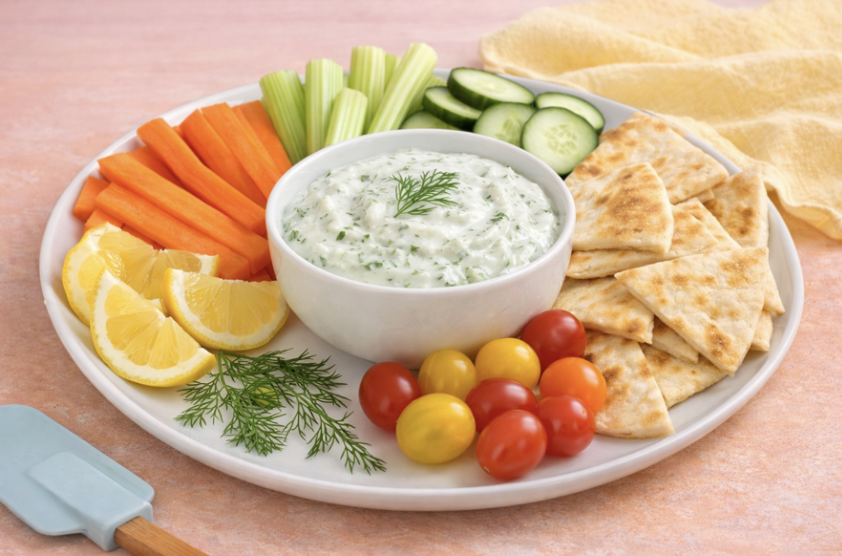
This is what gentle, microbiome-friendly nourishment looks like on a plate.
Creamy, herby, and refreshingly bright — the kind of food that feels both indulgent and grounding.
Recently my daughter sent me a picture of store-bought tzatziki stuffed into mini peppers. It instantly made me smile — and also made me think, well, it’s probably time to bust out one of my favorite yogurt recipes.
If I’m being honest (and I usually am in the kitchen), my real motivation was love. Cooking is my love language… and yes, I may have also wanted to outshine anything she could grab at the store.
I’ve made this tzatziki more times than I can count, and I’ve learned a few things along the way. For example, I’ve tried skipping the salted-and-strained cucumber step before. That shortcut always ends the same way: a sauce that’s way too thin and a quiet reminder that some kitchen steps exist for a reason.
The payoff? A thick, creamy, cooling sauce that feels incredibly satisfying — and happens to give me a 30 Diversity score of four all on its own. Four different whole-plant inputs… in a sauce. That’s my kind of efficiency.
What I love about tzatziki is how much wisdom is packed into such simple ingredients. Traditional Greek yogurt was originally made by fermenting milk in warm climates, creating a naturally probiotic food long before “gut health” became a buzzword. Long before we understood microbiomes or gene expression, people were already using fermentation as a way to preserve food and support digestion.
Cucumbers, which are over 95% water, might seem simple — but when they’re salted and strained, then paired with probiotic yogurt and fresh herbs, they help hydrate and soothe the gut lining rather than watering the sauce down. It’s a great example of how preparation matters just as much as ingredients.
Fresh herbs like dill do more than add flavor, too. They contain polyphenols — plant compounds that help calm inflammation and support microbial diversity in the gut. And when fermented foods and fiber-rich plants show up together (like yogurt, cucumber, garlic, and herbs), they send stronger “safe and nourished” signals to your gut and immune system. This is the kind of food synergy your biology recognizes immediately.
Tzatziki has roots in Greek and Eastern Mediterranean cuisine, where cooling foods like yogurt and cucumber were traditionally paired with grilled meats and warm flatbreads. From a traditional wisdom perspective, this makes perfect sense: yogurt soothes digestion, cucumber cools heat, and herbs support balance — especially in warmer climates or alongside heavier meals.
What’s fascinating is how beautifully this tradition lines up with modern gut science. Without lab tests or genetic data, these cultures were already building meals that supported digestion, resilience, and metabolic balance.
From a health perspective, this recipe is a quiet powerhouse. Greek yogurt provides beneficial bacteria that help reinforce the gut lining, support immune signaling, and influence neurotransmitter production along the gut–brain axis. When you use homemade probiotic yogurt, those benefits can be even more pronounced — often delivering higher microbial diversity and fewer additives than store-bought versions.
Cucumber adds gentle hydration and soluble fiber, helping things move without irritation. Garlic contributes sulfur-containing compounds that support detoxification pathways, while dill adds antioxidant and anti-inflammatory support. Together, these ingredients send a clear message to your cells: we’re nourishing, not stressing, the system.
This is one of those sauces that quietly upgrades almost anything.
Spread it on flatbreads with hummus and a Greek-style “salsa.”
Spoon it over scrambled eggs with spinach, green onions, and feta.
Use it as a dip for vegetable crudité, a creamy addition to grain bowls, or a cooling topper for fish.
It also works beautifully as a sandwich or wrap spread, or thinned slightly with olive oil and lemon as a quick salad dressing.
If fermented foods are newer for you, start with a small serving and pay attention to how your body responds. Nourishment is always personal.
There’s something grounding about recipes like this. Simple ingredients. A little patience. A reminder that supporting your biology doesn’t have to be complicated to be effective. Every time I make this tzatziki, I’m reminded that nourishment isn’t about perfection — it’s about listening, adjusting, and trusting that small, consistent choices add up. Your body is always giving feedback. This recipe just happens to be a really delicious way to tune in.

Mediterranean Tzatziki Yogurt Sauce
This creamy Mediterranean Tzatziki Yogurt Sauce is a gut-nourishing blend of protein-packed Greek yogurt, hydrating cucumber, and anti-inflammatory herbs that support digestion and immune health. Light, refreshing, and easy to make, it’s the perfect way to add a burst of flavor and healthy fats to any meal — from breakfast bowls to dinner plates.
Ingredients
Instructions
- Put cucumbers into colander, toss with salt and put a plate or bowl on top of the cucumbers and weigh down with a heavy bowl on top. Let sit for 30 minutes, use cheesecloth or cotton kitchen towel to squeeze the excess water out of the cucumbers.
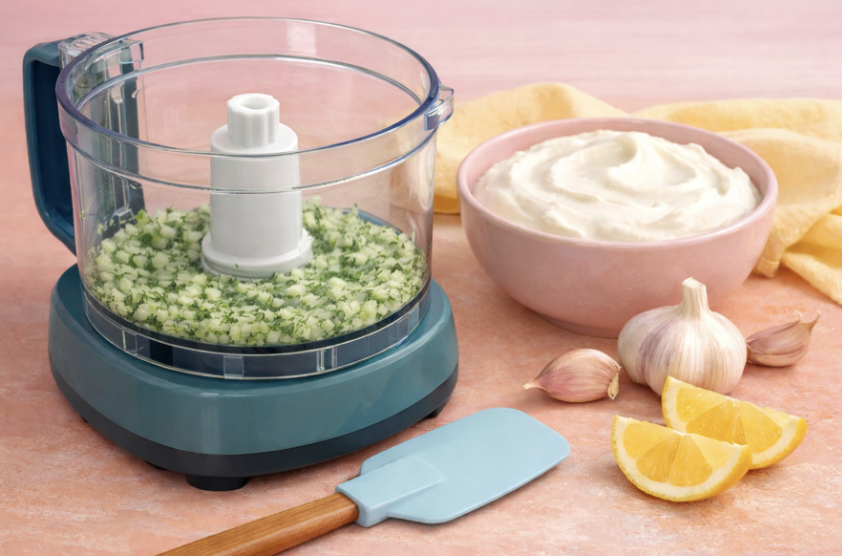
- Place cucumbers, garlic, lemon and dill in food processor. Pulse until chopped but still chunky, being careful not to over process.
- Fold cucumber mixture into the yogurt until combined. Refrigerate for at least one hour before serving. Best if made 24 hours ahead.
Notes
Serving size is about 3 tablespoons.
- You can also add a pinch crushed red pepper if you like a little heat.
- You can use any type of cucumber. In my experience, English cucumbers give off the least amount of liquid.
- I use this Greek Yogurt Maker from Amazon with my Homemade Creamy Probiotic Yogurt, and it makes the most delicious Tzaztiki.
Nutrition Facts
Fat
0 gSat. Fat
0 gCarbs
2 gFiber
0 gCholesterol
2 mgVitamin D
0 µgIron
0 mgCalcium
39 mgProtein
4 gCalories
22Sodium
303 mgSugar
1 gPotassium
63 mgThe nutritional information provided on this blog is for general informational purposes only and is based on data sourced from the US Department of Agriculture database. However, nutritional values can vary significantly depending on the specific brands, ingredients, and measurements used in your preparation. We strive to provide accurate information, but we make no guarantees regarding the accuracy, completeness, or reliability of any nutritional information presented.
Please note that the recipes and nutritional information provided are not intended to replace professional dietary advice or treatment. Always consult with a qualified healthcare professional or nutritionist before making any changes to your diet, especially if you have any underlying health conditions or dietary restrictions.
Medical Disclaimer
This content is for educational purposes only and is not intended to diagnose, treat, cure, or prevent any disease. Individual responses to foods may vary. Please consult your healthcare provider before making dietary changes, especially if you have a medical condition, are pregnant or breastfeeding, or are taking medications.